
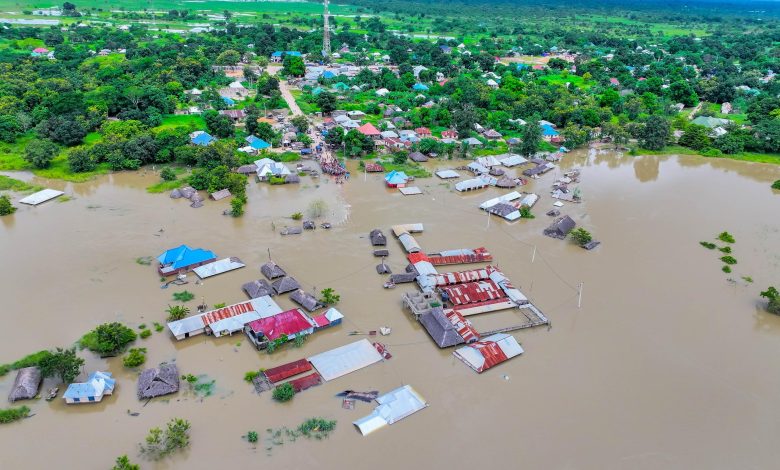
DAR ES SALAAM, Tanzania — Tanzanian Microfinance Institutions (MFIs) and commercial lenders face critical financial risks as the impending 2026 El Niño weather cycle threatens extreme weather events across the country. With national non-performing loan (NPL) ratios currently sitting at 4.7%—dangerously close to the Bank of Tanzania’s (BoT) 5.0% regulatory ceiling—sector leaders warn there is virtually no margin for error as severe rainfall and flooding threaten the livelihoods of 1.2 million micro-entrepreneurs.
A History of Climate Disruption
Past El Niño cycles have repeatedly strained Tanzania’s microfinance ecosystem by damaging borrowers’ repayment capacity. Widespread flooding during the 1997–1998 event destroyed rural infrastructure and crops, triggering loan defaults and forcing lenders to tighten credit. Subsequent cycles in 2015–2016 and 2023–2024 caused localized crop losses, forcing borrowers to divert production loans toward emergency survival needs and compelling MFIs to experiment with debt restructuring and grace periods.
Geographic analysis indicates that climate risk exposure is heavily concentrated along Tanzania’s northern coast, the Lake Victoria basin, and the northeastern highlands.
Sectors on the Frontline
Credit risk remains the primary transmission channel for climate-induced financial instability. Agricultural portfolios face the highest vulnerability, as crop destruction impairs rural cash flows and creates negative feedback loops across trade, transport, and small-business financing.
The analysis highlights vulnerabilities across multiple economic sectors:
- Agriculture (Very High Risk): Direct crop and livestock losses cause immediate defaults and depress rural commerce.
- Transport & Logistics (High Risk): Submerged roads and damaged bridges delay trade, stalling loan repayments from transport operators.
- Micro, Small & Medium Enterprises (MSMEs) (High Risk): Flood-related market closures and supply chain bottlenecks cut daily business revenues.
- Real Estate (Medium–High Risk): Structural property damage diminishes physical collateral values—including farmland, housing, commercial buildings, and vehicles—reducing lenders’ asset recovery options.
- Tourism (Medium Risk): Lower visitor arrivals strain cash flow for eco-tourism and hospitality enterprises.
Digital Infrastructure Threats and Liquidity Squeezes
Beyond borrower defaults, severe weather poses direct operational challenges. Submerged roadways, power outages, and telecom network failures risk rendering branch offices, ATMs, and digital banking platforms temporarily inaccessible. Concurrently, lower repayment inflows would cause liquidity squeezes, forcing lenders to raise loan-loss provisions and restrict new credit extension to preserve capital.
A Strategic Blueprint for Institutional Resilience
To safeguard portfolios, financial institutions are being advised to align closely with the Bank of Tanzania’s climate risk framework. Key recommendations include:
- Portfolio Stress Testing: Conducting scenario modeling to evaluate capital reserves against flood and crop-loss projections.
- Proactive Loan Restructuring: Granting temporary grace periods and rescheduling debt for viable borrowers to avoid unnecessary write-offs.
- Risk-Sharing & Insurance: Partnering with insurers to deploy index-based crop insurance and disaster-linked credit products.
- Operational Continuity: Installing off-grid backup power systems and upgrading digital channels for remote connectivity.
- Governance & Training: Participating in Tanzania Association of Microfinance Institutions (TAMFI) regulatory reporting workshops and adhering to the industry Code of Conduct.
Industry leaders also highlight specialized expansion into renewable energy financing (such as solar home systems and clean cooking solutions) and water supply and sanitation loans as viable pathways toward long-term sustainability. Adopting the core mandate to “Collaborate, Digitize, and Empower,” the sector aims to convert climate risk management into a cornerstone of institutional stability.