
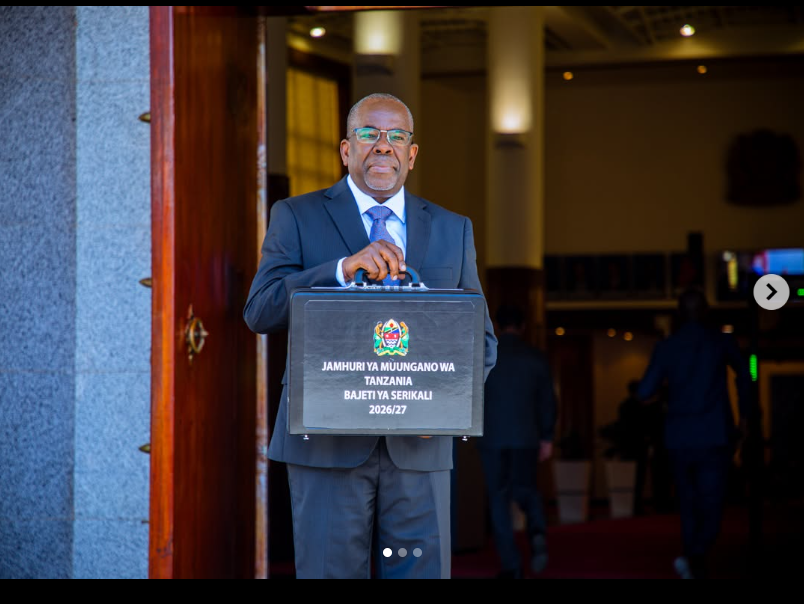
The recently approved National Budget for 2026/27 marks the beginning of a new chapter in Tanzania’s development journey under Vision 2050 and the Fourth National Five-Year Development Plan. With a national budget of approximately TZS 62.3 trillion and a strong emphasis on inclusive growth, digital transformation, strategic investments, and economic resilience, the budget presents both opportunities and challenges for the microfinance subsector.
As a sector that serves millions of low-income households, micro, small and medium enterprises (MSMEs), women, youth, farmers, and informal businesses, the microfinance industry remains a critical driver of financial inclusion and grassroots economic development. The budget’s focus on private sector growth, business formalization, infrastructure development, and domestic revenue mobilization creates a favorable environment for increased demand for financial services.
Positive Implications for the Microfinance Sector
1. Expanding Economic Activity Creates Demand for Finance
Increased public investment in infrastructure, transport, energy, water, and strategic economic sectors is expected to stimulate economic activity across the country. As businesses grow and new enterprises emerge, demand for credit, savings, financial education, and enterprise development services is likely to increase.
For microfinance institutions (MFIs), this presents opportunities to expand outreach, diversify products, and support entrepreneurs seeking to take advantage of emerging economic opportunities.
2. Support for Business Growth and Formalization
The government’s continued efforts to improve the business environment and encourage entrepreneurship may lead to the growth of small and medium enterprises, many of which constitute the core clientele of microfinance institutions. New measures aimed at supporting investment and business growth can contribute to stronger client performance and improved portfolio quality across the sector.
3. Increased Need for Financial Literacy
As economic opportunities expand, the need for financial capability and consumer awareness becomes even more important. This creates a strategic opportunity for TAMFI and its members to deepen financial education initiatives that promote responsible borrowing, savings, investment, and enterprise management.
*Emerging Concerns for the Sector*
1. Taxation and Cost of Credit
One of the key issues affecting the microfinance industry continues to be the tax burden imposed on financial service providers and, ultimately, their clients. Recent discussions regarding the application of excise duty on microcredit services have raised concerns about increased operational costs and the potential impact on borrowing costs for low-income clients. Industry stakeholders have argued that higher taxes on microcredit may inadvertently reduce financial inclusion by making credit more expensive for those who need it most.
For institutions already operating in challenging and high-cost environments, additional tax obligations may affect sustainability, outreach, and product affordability.
2. Pressure on Small Businesses
Certain tax measures affecting small enterprises may indirectly influence the repayment capacity of microfinance clients. As businesses adjust to new tax requirements and operating costs, some segments of the market may require additional support through financial education, business development services, and flexible financing solutions.
*TAMFI’s Advocacy Role: Giving Voice to the Sector*
Representing more than 400 member institutions across Tanzania, TAMFI has continued to engage policymakers, regulators, and other stakeholders on issues affecting the growth and sustainability of the microfinance industry.
During the Finance Bill 2026 consultation process, TAMFI submitted recommendations aimed at creating a more enabling tax and regulatory environment for microfinance providers. The Association’s position has consistently emphasized that microfinance should be viewed not merely as a commercial activity, but as a key instrument for advancing national financial inclusion objectives, poverty reduction, women’s economic empowerment, youth employment, and enterprise development.
Among the issues highlighted by TAMFI were:
The need to review tax measures that increase the cost of microcredit.
Recognition of the unique role played by non-deposit-taking microfinance institutions.
Creation of incentives that encourage expansion of financial services to underserved communities.
Support for financial literacy and consumer protection initiatives.
Promotion of innovative financing solutions for housing, agriculture, renewable energy, and water and sanitation services.
While not all recommendations may have been reflected in the final Finance Bill 2026, the engagement process itself demonstrates the growing recognition of the microfinance sector as an important stakeholder in Tanzania’s economic development.
*Looking Ahead*
The 2026/27 Budget reinforces the importance of inclusive growth and private sector participation. For the microfinance sector, success will depend on its ability to innovate, strengthen governance, embrace digital transformation, and continue reaching underserved populations.
As TAMFI celebrates 25 years of championing microfinance development in Tanzania, the Association remains committed to advocating for policies that support a vibrant, sustainable, and inclusive financial ecosystem. Working together with government, regulators, development partners, and industry players, the sector can continue to expand economic opportunities and improve the lives of millions of Tanzanians.
The budget year ahead presents both opportunities and challenges. The task before the industry is to ensure that financial inclusion remains at the center of Tanzania’s development agenda and that no entrepreneur, farmer, woman, youth, or community is left behind.